

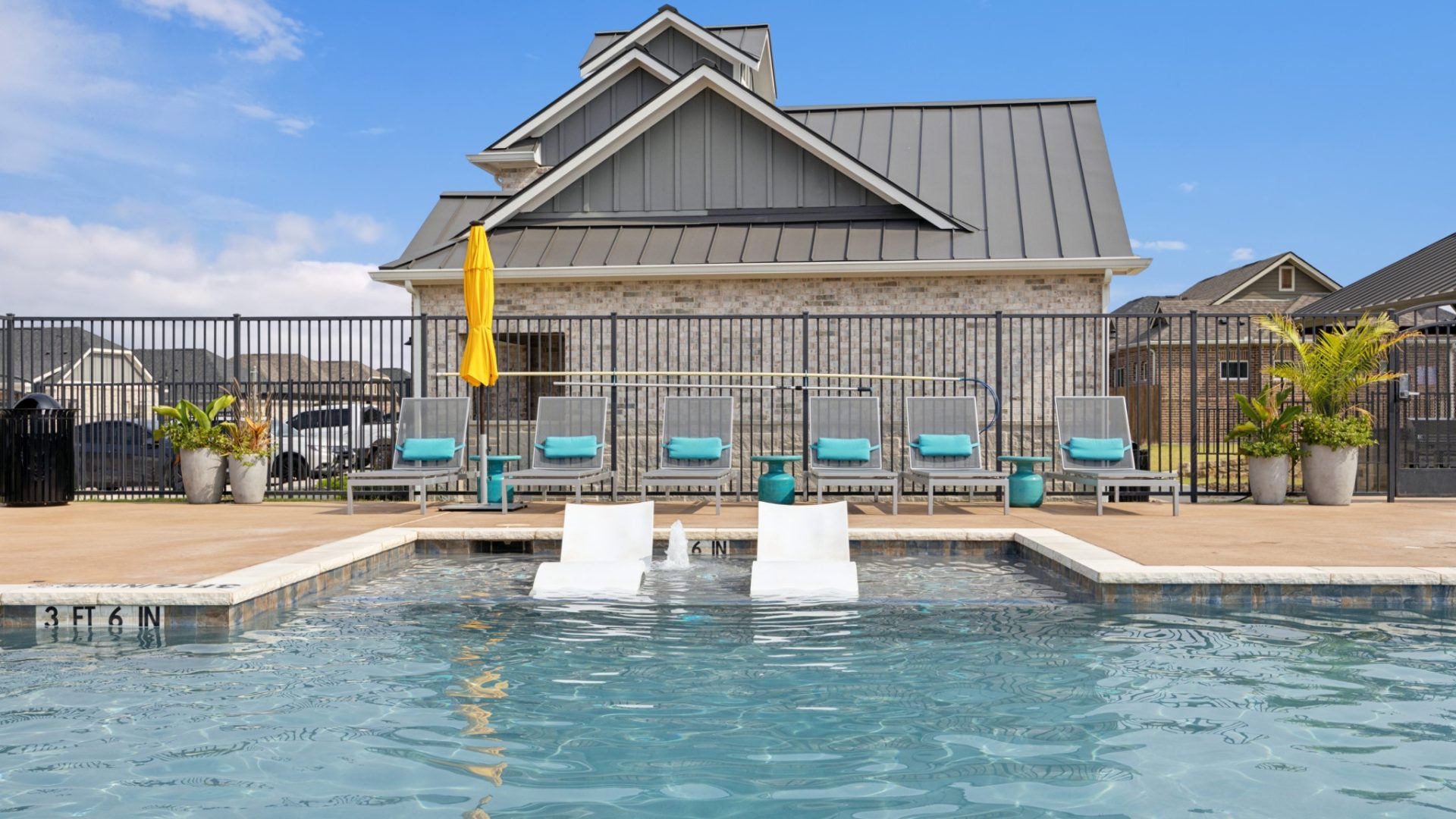
If you are looking for Melissa apartments with no breed restrictions for dogs, VLux Stoneridge is one of the places worth confirming directly with the leasing team because the community publicly states that it is pet-friendly and has no breed restrictions for dogs. Its published pet information also says residents may have up to two pets per apartment, while exotic animals and certain nontraditional pets are not allowed.
That said, “no breed restrictions” is only one part of a usable pet policy. Before you apply anywhere, verify the full written policy for your specific household, including any weight limits, vaccination requirements, pet interview process, fee structure, and whether your renters insurance carrier has its own breed-related rules even when the apartment community does not.
What “no breed restrictions” actually solves, and what it does not
For many dog owners, breed language is the first screening hurdle in an apartment search. A community that does not restrict dogs by breed can save you time by reducing the chance that your application is effectively disqualified before anyone asks about your actual dog, especially if you have a breed or mix that is commonly flagged by larger corporate pet lists.
It is still important to read beyond that headline. Apartment pet policies often include separate rules that matter just as much in day-to-day life, such as the total number of pets allowed, whether there are temperament or behavior expectations, and what documentation is required before move-in. At VLux Stoneridge, the published FAQ says there is a two-pet limit and notes that the office can provide the full pet policy, which is the right place to confirm details that are not summarized online.
Another practical issue is cost. VLux Stoneridge’s published pet fees list a $400 non-refundable pet fee per pet and $25 monthly pet rent per pet. That matters because a renter comparing communities may find that a no-breed-restrictions policy is very helpful, but the ongoing pet costs still need to fit the full monthly budget.
Insurance is the other common blind spot. Some renters assume that if an apartment has no breed restrictions, the issue is fully resolved. In reality, some renters insurance companies apply their own underwriting rules, and those rules can affect coverage options regardless of what the lease allows. A smart verification step is to get an insurance quote before you sign, using your dog’s actual breed information or best-known mix, so there are no surprises after approval.
How to judge whether the community works well for daily life with a dog
A pet policy matters most when the property layout and routines also support dog ownership. VLux Stoneridge lists a dog park and walking paths among its community amenities, which is useful because it means dog exercise is not limited to quick parking-lot leash walks. For many households, on-site walking space makes a bigger difference than a pet policy alone, especially for early-morning and late-evening routines.
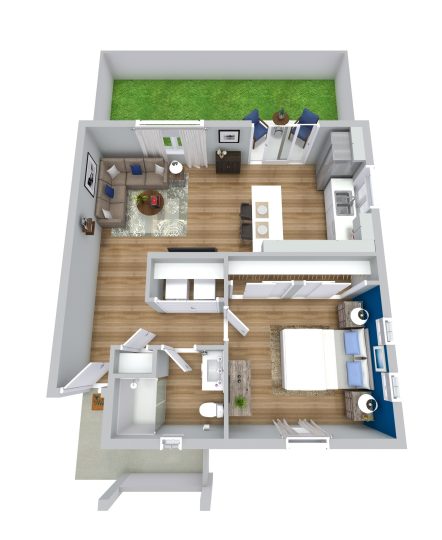
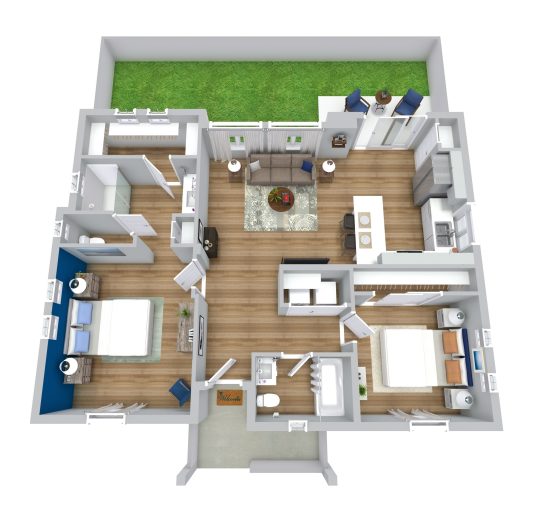
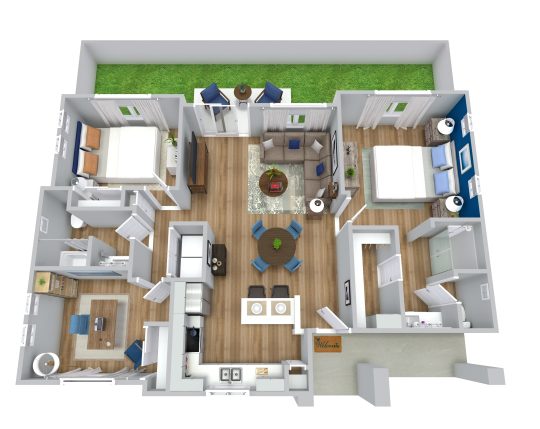
The community also lists private backyards as a resident amenity. That can be especially helpful for renters with dogs who want a bit of separate outdoor space for short breaks during the day. Because private yards can vary by home, and community rules can govern how they are used, it is worth asking the leasing team which floor plans include them and whether there are any pet-specific yard guidelines.
Home entry and circulation can matter more than many renters expect. VLux Stoneridge lists front porch or private entrance access and notes that the community does not have elevators. For some dog owners, direct-entry style living can make daily walks simpler because it reduces hallway traffic and elevator waits. That can be a real quality-of-life advantage if your dog is reactive, shy around strangers, or simply easier to manage with a quicker path outdoors.
Inside the home, the most relevant published features for pet owners are the practical ones: wood plank-style flooring throughout, full-size washer and dryer, and open floor plans. Hard-surface flooring is typically easier to clean than carpet after muddy paws or accidents, and in-home laundry is useful if your dog goes through towels, bedding, or crate pads regularly. Those are not glamorous details, but they often make daily living easier for dog households.
What to verify before you decide
Start by asking for the current written pet policy rather than relying on a summary page. Specifically confirm the two-pet limit, all fees, any monthly pet rent, any size or documentation requirements, and whether there are community rules about leash use, waste disposal, dog park access, or pet behavior complaints. Written confirmation is especially helpful if you have a mixed-breed dog, a large dog, or two pets.
Next, ask unit-specific questions, not just community-wide ones. If a private yard is important to you, confirm whether the exact apartment you are considering includes one. If you want a garage or covered parking because you travel with a large dog crate, stroller, or grooming supplies, ask about current availability and pricing for those optional spaces. The community’s published information says garages are available and that carports and garages are priced separately, but availability should be checked for the specific home you want.
It is also reasonable to ask how your routine would work on the property. During a tour, walk the path from the apartment to the nearest dog-friendly outdoor area, look at how much open space there really is, and notice whether the route involves tight turns, busy drive aisles, or long stretches without relief areas. Those observations often tell you more than a general amenity list.
If VLux Stoneridge seems promising, the best low-pressure next step is simple: call or visit during office hours and ask for the full current pet policy plus a tour of the homes that include the outdoor access features you care about most. That will tell you much faster than a broad online search whether this community truly fits your dog, not just your filter settings.